

A ski instructor is a qualified outdoor professional who teaches individuals and groups of all ages how to ski safely and improve their technical skills. Core daily duties include running group and private ski lessons, demonstrating proper movements, evaluating mountain safety and weather conditions, managing group dynamics on the slopes, and providing individual feedback. Along with hourly wages or seasonal salaries, ski instructors often receive resort lift passes, equipment discounts, subsidized staff accommodation, and food allowances.
If you are currently studying at university, preparing for your high school graduation, or taking a gap year, you have probably wondered what it actually feels like to trade the daily classroom routine for a winter in the mountains. Imagine waking up to fresh snow, spending your days outside in clean mountain air, and earning money while sharing your love for outdoor sports with people from all over the world.
For students in tourism, communications, marketing, or sports management, or anyone who wants an unforgettable international experience, becoming a ski instructor is one of the most exciting ways to work abroad. It combines physical activity, outdoor leadership, travel, and personal growth into a single winter contract.
What are the main duties and responsibilities of a ski instructor?
What does a ski instructor actually do once the boots are buckled and the lift starts running? While teaching skiing is the primary focus, the daily job involves several important tasks that ensure guests have a safe and memorable holiday:
1. Conducting ski lessons
- Group lessons: Teaching groups of 4 to 12 students of similar age and skill levels over a half-day, full-day, or week-long course.
- Private lessons: Delivering one-on-one or small family coaching tailored to specific individual goals and learning paces.
- Children’s ski school: Managing fun, game-based sessions for young kids to help them build balance, body awareness, and mountain safety habits in a playful environment.
2. Technical instruction and demonstration
- Demonstrating correct body positioning, weight distribution, edge control, and turning techniques clearly.
- Breaking down complex physical movements into simple, easy-to-follow exercises and drills.
- Observing students as they ski down the run and offering immediate, constructive feedback to help them correct mistakes.
3. Mountain safety and group management
- Assessing weather forecasts, wind conditions, and snow stability before taking guests onto more difficult slopes.
- Teaching proper mountain etiquette, including the International Ski Federation (FIS) Code of Conduct for skiers and snowboarders.
- Keeping constant visual contact with all group members on the mountain to ensure no student gets lost or left behind.
- Understanding basic emergency procedures and knowing how to contact local mountain rescue if an injury occurs.
4. Customer service and guest relations
- Welcoming guests with high energy and a friendly attitude at the morning meeting point.
- Building strong rapport with students and parents to create a supportive, encouraging atmosphere.
- Answering questions about local resort amenities, village events, restaurant recommendations, and trail maps.
- Writing end-of-week progress reports or presenting certificates and medals to young students completing their courses.
What is a typical day in the life of a ski instructor?
Working as a ski instructor gives you an active, structured routine surrounded by incredible scenery. Here is what a standard day on the snow looks like during the peak winter season:
Morning shift: 08:00 AM – 12:00 PM
- 08:00 AM: Arrive at the ski school office, check your daily teaching roster, review weather reports, and meet with fellow instructors for a morning team briefing.
- 08:30 AM: Warm up on the snow, check your gear, and head down to the designated ski school meeting point.
- 09:00 AM: Meet your morning group or private client. Introduce yourself, check everyone’s gear and lift passes, and perform a quick safety and skill check on a flat area.
- 09:30 AM – 11:30 AM: Lead your lesson on the mountain. Run technical drills, guide students down appropriate runs, and offer individual advice.
- 11:30 AM – 12:00 PM: Wrap up the morning session, summarize key progress with your students, and guide them safely back to the base meeting point.
Lunch break: 12:00 PM – 01:30 PM
- Enjoy a lunch break at a mountain lodge or village cafe with your co-workers.
- When they have some free time between lessons, instructors can enjoy a few runs with their colleagues and practise their own skiing skills.
Afternoon shift: 01:30 PM – 04:00 PM
- 01:30 PM: Meet for your afternoon private lesson or group session.
- 02:00 PM – 03:45 PM: Conduct the afternoon lesson, focusing on building confidence on steeper runs or refining technique as snow conditions change.
- 04:00 PM: Return students safely to the meeting area, answer questions from parents, and hand out progress medals or certificates on graduation days.
Evening and downtime: 04:30 PM onward
- Attend optional ski school technical debriefs or gear maintenance sessions.
- Join the international seasonal staff community for apres-ski drinks, dinner with roommates, or rest for another amazing day on the slopes.
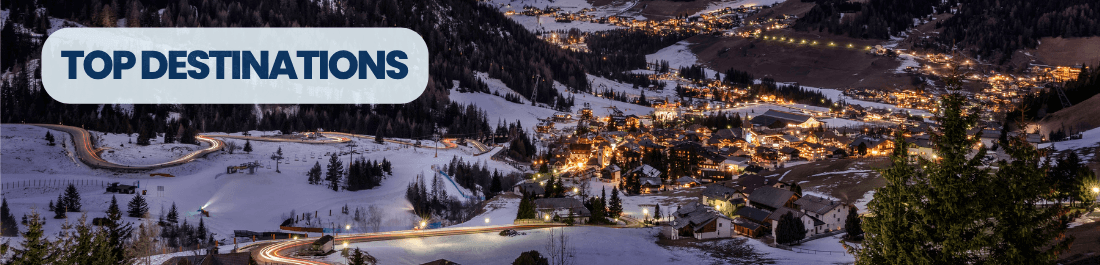
Top destinations for ski instructors: where can you work?
One of the greatest advantages of becoming a certified ski instructor is that your qualification is a passport to travel the world. Different countries offer unique snow conditions, workplace cultures, and lifestyle benefits for young seasonal staff:
- Canada: Famous for welcoming resort culture and massive terrain in spots like Whistler and Banff. Canadian ski schools offer excellent staff support and structured environments.
- Japan: Renowned for world-class powder snow in Hokkaido (Niseko) and Hakuba. Japanese ski schools cater heavily to international English-speaking guests.
- Switzerland & European Alps: Iconic Alpine skiing among famous peaks like the Matterhorn. Offers world-class skiing, rich tradition, and vibrant mountain culture.
- USA: Famous for high-altitude powder and modern infrastructure in resorts like Vail, Park City, and Jackson Hole, providing high customer service standards.
- New Zealand: Perfect for endless winter! When summer arrives in the Northern Hemisphere, New Zealand’s South Island offers incredible Southern Hemisphere snow seasons.
- Andorra: Nestled in the Pyrenees between Spain and France, Andorra features vast domains like Grandvalira, sunny weather, tax-free shopping, and a budget-friendly staff lifestyle.
What qualifications do you need to become a ski instructor?
You do not need to be a former professional racer to become a certified ski instructor. However, you do need an officially recognized teaching qualification awarded by an accredited international governing body.
Recognized certification bodies:
- CSIA: Canadian Ski Instructors’ Alliance (Canada)
- BASI: British Association of Snowsport Instructors (UK / Europe)
- NZSIA: New Zealand Snowsports Instructors Alliance (New Zealand)
- PSIA: Professional Ski Instructors of America (USA)
- APSI: Australian Professional Snowsport Instructors (Australia)
If you are interested in working in a specific country, make sure to check the local requirements and regulations before applying. Certification rules can vary depending on the country and ski school, so it is important to research the specific qualifications you need.
Certification Levels:
- Level 1 (Entry Level): Qualifies you to teach beginner children and adults on non-complex terrain. This entry qualification typically takes 1 to 2 weeks of training and assessment.
- Level 2 (Intermediate Level): Qualifies you to teach intermediate skiers on blue and red groomed trails.
- Level 3 & Level 4 (Advanced Level): Qualifies you to teach advanced technical skiing, off-piste terrain, and train new instructors.
How can you become a certified ski instructor fast?
If you are a confident intermediate skier and want to turn your passion into a paid winter job, an instructor internship program is the most direct and reliable path.
Instead of trying to find a job without certification or local connections, an instructor internship combines technical coaching, exam fees, accommodation support, and a guaranteed job placement at a resort ski school into a single package.
Ready to get certified and start teaching on the snow?
Explore official Ski and Snowboard Instructor Internships in Canada, Japan, New Zealand, Switzerland, and the USA on AnyworkAnywhere to get trained, certified, and placed directly in a paid job this season.
Through these internship programs, you arrive at a top mountain resort at the start of the winter, spend your first few weeks training with senior examiner coaches, pass your Level 1 exam, and immediately start earning money as a working instructor for the rest of the season.
What skills make a great ski instructor?
While solid technical skiing is important, ski school directors emphasize that personal communication skills matter just as much as on-snow performance:
- Patience and empathy: Helping nervous beginners build confidence step by step in a calm environment.
- Clear communication: Explaining physical techniques in simple terms, especially for children or non-native English speakers.
- Group awareness and safety focus: Staying vigilant on busy slopes and making smart decisions based on weather conditions.
- Positive energy: Bringing enthusiasm to every lesson keeps students engaged, even on cold days.
- Professionalism: Arriving on time, looking sharp in your uniform, and maintaining high service standards.
How much do ski instructors earn and what perks are included?
While hourly base wages for entry-level instructors vary by country and resort, the complete employment package makes seasonal jobs an exceptionally cost-effective way to live abroad.
Earnings and compensation package:
- Hourly teaching wages: Hourly compensation for all teaching time, increasing with higher certification levels.
- Free season lift pass: Ski schools provide working instructors with a full-season resort lift pass.
- Subsidized staff accommodation: Access to affordable shared staff housing close to the resort.
- Pro-deal equipment discounts: Access to industry discounts on skis, boots, outerwear, and accessories.
- Resort uniform provided: High-performance outerwear provided by the ski school for teaching hours.
- Client tips: Satisfied private lesson guests frequently leave generous cash tips for great coaching.
Exploring alternative winter opportunities
If you love the mountain lifestyle but feel your skiing ability is not quite ready for instructor training yet, there are many other entry-level seasonal roles available across world-class resorts.
For instance, you can explore hospitality, tourism, waitress, and resort support roles across Europe and North America. Be sure to explore childcare, nanny and ski instructor jobs in Austria if you are looking for a seasonal role in a ski resort, and the latest winter job vacancies in Andorra and other top European destinations on AnyworkAnywhere to find entry-level positions that fit your background and skill set.

How to apply for ski instructor jobs: step-by-step
Ready to secure your spot on the mountain for the upcoming winter? Follow these practical steps:
- Assess your skiing ability: Ensure you feel comfortable skiing parallel turns smoothly on marked intermediate trails.
- Select an internship course: Apply for an instructor internship that includes Level 1 training, exam fees, and job placement.
- Format your CV: Highlight past experience in sports coaching, youth work, retail, customer support, or tutoring.
- Apply early: Seasonal hiring opens between May and September. Applying early gives you the best choice of locations and housing.
- Use verified job portals: Browse listings on trusted platforms like Anywork Anywhere to connect directly with vetted ski schools.
Frequently asked questions about ski instructing
Is it hard to pass the Level 1 ski instructor exam?
The Level 1 exam is designed for confident intermediate skiers with good balance and a positive attitude. Internship training courses spend several weeks preparing you specifically for the technical demonstrations and teaching delivery required to pass comfortably.
What happens on days with bad weather?
Ski resorts operate in almost all winter weather conditions. Lessons continue during snowfall or cold days by adapting terrain choices and taking warm-up breaks. If extreme storms force lift closures, ski schools conduct indoor analysis sessions or reschedule lessons.
Do I need to be fluent in the local language to teach abroad?
Not necessarily! In major destination resorts across Japan, Switzerland, Canada, and Austria, lessons are heavily conducted in English for international tourists.
How old do I need to be to become a ski instructor?
Most international ski schools require applicants to be at least 18 years old by the time their employment contract or course begins.
Take the first step toward your winter adventure abroad
Becoming a ski instructor is far more than just a job, it is a life-changing adventure that builds confidence, outdoor leadership, travel experience, and international career skills. Whether you choose to gain your Level 1 certification through an instructor internship in Canada or Japan, or explore seasonal hospitality jobs in Andorra, your winter adventure starts with taking action.
Visit Anywork Anywhere today to explore the latest seasonal job listings, apply for ski instructor internship programs, and get ready for the winter of a lifetime!