

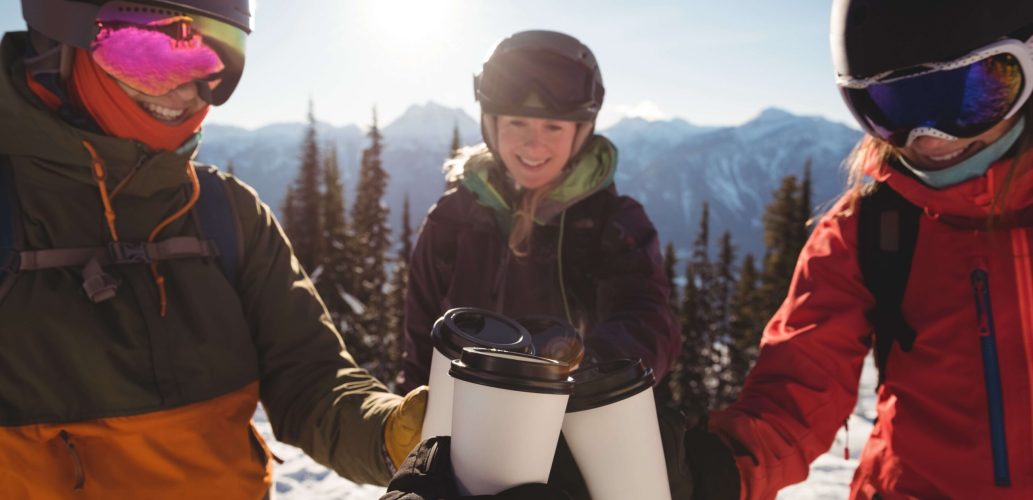
Working a winter season in the Alps means spending a few months surrounded by snowy mountains, meeting people from all over the world, and making the most of your days off on the slopes. And the best part? You can earn money while you’re there!
Every winter, ski resorts in France, Switzerland, Austria, and Italy hire seasonal workers for all kinds of jobs. You could work as a ski instructor, help guests in a mountain chalet, serve drinks in an après-ski bar, or find a job in one of the many hotels and restaurants that get busy during the winter months.
But before you start planning your winter in the mountains, there are a few things you should know. When should you start applying? What jobs can you get without previous experience? Do you need a visa or work permit? And where can you actually find these opportunities?
In this guide, we’ll cover everything you need to know about finding a seasonal job in the Alps, from choosing the right position to applying and getting ready for your winter abroad.
Why work a winter season in the Alps?
Working abroad during the winter season is an experience that stays with you forever. While the work can be tiring, the lifestyle that you will experience makes it completely worth it.
- Daily access to world-class slopes: The biggest reason people work in ski resorts is obvious: the snow. Many employers offer free or heavily discounted season lift passes, gear rentals, and shift schedules designed so you can get plenty of mountain time.
- Included accommodation and meals: Finding housing in popular alpine towns can be tough and expensive. Fortunately, many seasonal job offers come with employer-provided staff accommodation and duty meals, which helps you save money during your time abroad.
- A diverse, International community: You will live and work alongside people from all over the world. The bonds you build with your housemates and colleagues during a season often turn into lifelong friendships.
- Valuable work experience: Seasonal roles in hospitality, customer care, resort logistics, and guest services help you develop strong soft skills like teamwork, quick problem-solving, adaptability, and language practice.
What types of jobs can you get in a ski resort?
Ski resorts operate like small, bustling cities during peak winter months. This means there are job openings for almost every skill set and background, ranging from entry-level positions to specialized certified roles.
1. Chalet and hospitality roles
Chalet jobs are standard entry points for seasonal workers, especially in popular British and international tour operator destinations across the French and Swiss Alps.
- Chalet host / cook: Chalet hosts look after guests staying in private mountain accommodations. Your daily tasks include preparing fresh breakfasts, cooking dinner, and keeping the chalet clean and welcoming. You do not need to be a professional chef, but having a passion for cooking and good organizational skills is essential.
- Chalet assistant: Working alongside head hosts, assistants help with room turnover, meal preparation, dishwashing, and general guest assistance. This is a great entry-level role if you are doing your first season abroad.
- Chalet chef: Luxury chalets hire professional culinary staff to prepare high-end multi-course dinners. These roles require formal culinary background or professional kitchen experience, but they come with competitive pay packages.
If you love working in guest services and cooking, you can check out current openings on AnyworkAnywhere Hospitality and Chalet Jobs.
2. Bar, restaurant, and hotel positions
Resort centers feature hundreds of hotels, restaurants, cafes, and famous apres-ski bars that need extra hands during the high season.
- Bartenders and bar staff: Apres-ski venues get extremely busy from mid-afternoon through late evening. Bartenders need to work fast, stay energetic, and maintain a friendly attitude with holidaymakers.
- Waitstaff and servers: Serving in mountain restaurants involves taking orders, serving meals, managing busy seating areas, and delivering great customer service.
- Hotel receptionists: Working at the front desk involves checking in arriving guests, answering resort questions, handling phone calls, and coordinating with housekeeping. Good English and basic knowledge of the local language (French, German, or Italian) are very helpful here.
- Housekeeping staff: Housekeepers keep hotel rooms and apartments clean and ready for new arrivals. Housekeeping shifts are often concentrated in the mornings and early afternoons, leaving your evenings completely free.
To browse active openings in resort hotels and dining venues, visit AnyworkAnywhere Hotel and Restaurant Jobs.
3. Resort operations and customer service
If you prefer outdoor environments or direct customer interaction over kitchen work, operational roles offer plenty of active options.
- Ski and snowboard instructors: Certified instructors teach guests of all ages and ability levels. You must hold recognized instructor qualifications (such as BASI, CSIA, ESF, or national equivalents) to teach legally in alpine countries.
- Ski rental technicians: Rental shops need staff to fit boots, adjust bindings, tune skis, and recommend gear to visitors. On-the-job training is usually provided, but enthusiasm for winter gear is a big plus.
- Transfer drivers: Drivers transport guests between regional airports (such as Geneva, Lyon, Munich, or Innsbruck) and mountain resorts. You need a valid driver’s license, clean driving record, and confidence driving on winding snow-covered roads.
- Childcare and nanny staff: Many families visit ski resorts with young children. Qualified nannies and creche workers care for kids while parents are out on the slopes. First-aid certificates and prior childcare experience are standard requirements.

You can explore listings for resort operations and driver roles on Anywork Anywhere Driving and Logistics Jobs.
Best Countries for seasonal work in the Alps
The European Alps run through several countries, each offering a unique culture, language environment, and resort layout.
France
France is home to some of the largest ski areas in the Alps, including Les Trois Vallées (Val Thorens, Méribel and Courchevel) and Portes du Soleil (Morzine and Avoriaz). Every winter, these popular destinations offer plenty of seasonal job opportunities for international workers.
- Work environment: High concentration of chalet operators, apres-ski culture, and well-established seasonal communities.
- Languages: English is widely spoken in major tourist resorts, but basic conversational French is a great asset for local interactions.
Switzerland
Famous for high-altitude peaks, world-class luxury resorts like Verbier, Zermatt, and St. Moritz offer top-quality hospitality standards and solid working conditions.
- Work environment: Very professional, highly organized resort infrastructure, and high service expectations.
- Languages: Depends on the canton (French, Swiss German, or Italian). English is widely used in tourist hubs.
Austria
Austrian resorts like St. Anton, Ischgl, Kitzbühel, and Mayrhofen are famous for traditional alpine charm, cozy mountain huts, and world-famous apres-ski party venues.
- Work environment: Friendly hospitality, strong focus on tradition, and fast-paced team environments.
- Languages: German is the primary language. While international bars hire English speakers, basic German skills give you a clear advantage.
Italy
Resorts in the Italian Dolomites (Cortina d’Ampezzo, Val Gardena) and Aosta Valley (Cervinia, Courmayeur) combine beautiful scenery with incredible food and a welcoming atmosphere.
- Work environment: Welcoming, customer-focused, and slightly more relaxed day-to-day rhythm.
- Languages: Italian is primary, with German spoken in South Tyrol. English is widely used in major resorts.
To search for positions by target country, explore AnyworkAnywhere Seasonal Jobs in Europe.
When should you apply for winter season jobs?
Timing is one of the most important factors when applying for seasonal mountain work. Recruitment happens earlier than many first-timers expect.
June to August: early recruitment window
Major tour operators, luxury chalet companies, and large resort employers start posting their winter roles during the summer months.
- Update your CV and highlight relevant customer service or hands-on experience.
- Research target employers and save interesting job postings.
- Gather necessary administrative documents or check visa options if applying from outside the EU.
September to October: peak hiring season
This is the main recruitment window when most resort employers review applications, conduct video interviews, and fill their team openings.
- Submit targeted applications to active job listings.
- Attend virtual interviews ready to confirm your seasonal availability.
- Secure positions that offer staff accommodation early.
November: last-minute openings
In the weeks leading up to resort opening dates, employers often have unexpected openings due to last-minute plan changes or travel cancellations.
- Keep checking job boards daily for urgent fill-in positions.
- Be ready to travel on short notice if hired.
December to January: mid-season hiring
Some workers leave mid-season due to injuries or personal reasons, creating mid-season vacancies for candidates available immediately.
You can start browsing current vacancies right away on AnyworkAnywhere Ski Season Positions.
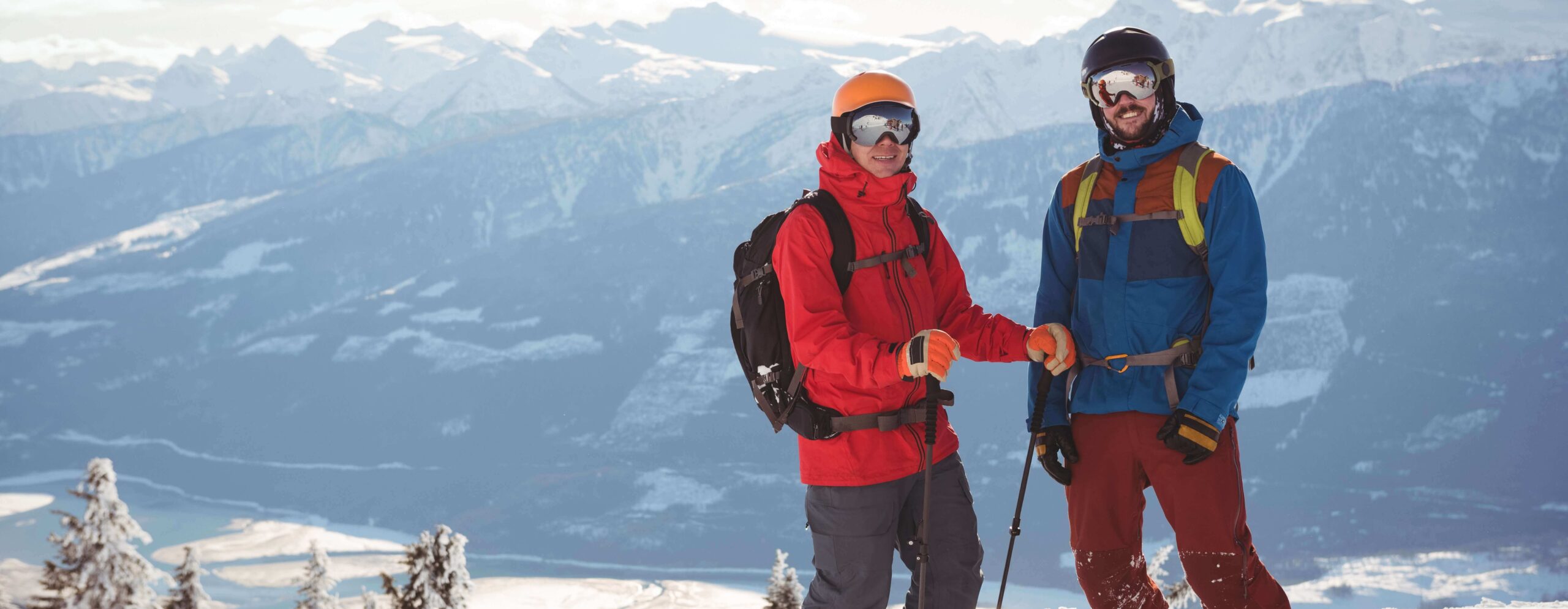
Visas, work permits, and logistics
Working in Europe requires meeting specific legal requirements depending on your citizenship and destination.
EU and EEA passport holders
If you hold a passport from an EU or EEA member state:
- You have the right to live and work in France, Austria, and Italy without needing a work visa.
- You can apply directly to employers and complete simple local registrations upon arrival.
- For Switzerland, EU citizens need a short-term work registration, which employers handle easily for seasonal contracts.
Non-EU passport holders (UK, Australia, Canada, New Zealand, US, etc.)
If you are from outside the EU, you need authorization to work legally.
- Working holiday visas (WHV): Countries like France, Austria, and Germany offer Working Holiday Agreements with nations like Australia, Canada, New Zealand, and others. These allow young adults (usually aged 18 to 30 or 35) to live and work abroad for up to a year.
- Work permits & sponsorship: Some employers sponsor work visas for specialized roles like certified chefs, head instructors, or management staff.
- UK candidates post-Brexit: UK passport holders now require working permits or visas for most EU countries. Many international operators hire UK staff through specific visa routes or local contracts, so always discuss visa options with prospective employers during interviews.
How to prepare the perfect application
Resort managers receive dozens of CVs for every open position. To stand out, focus on what employers care about most: reliability, teamwork, and customer service skills.
1. Highlight practical experience
Employers want to know you can handle high-volume work during busy holiday weeks like Christmas, New Year, and February school holidays.
- Highlight past experience in hospitality, retail, customer care, cleaning, or physical teamwork.
- Emphasize soft skills like punctuality, adaptability, positive energy, and problem-solving.
- List useful certifications like first-aid training, food hygiene certificates, clean driving licenses, or ski teaching credentials.
2. Keep your CV clean and simple
Recruiters review applications quickly, so make sure your CV is easy to read.
- Use clear bullet points for duties and achievements in past roles.
- Put your current location, nationality, visa status, and availability dates clearly at the top.
- Ensure your contact details are accurate and up to date.
3. Write an engaging cover letter
Keep your cover letter short, genuine, and directly focused on the role.
- State why you want to work for that specific employer or resort.
- Confirm that you are fully available for the entire length of the season.
- Explain how your previous background makes you a reliable team member during busy periods.

To explore employer profiles and active openings, check out the AnyworkAnywhere Employers Page.
Practical tips for saving money during a season
Working a seasonal job is a great experience, but managing your money well ensures you finish the season with savings in your account.
- Prioritize jobs with accommodation included: Rent is always the largest monthly expense in resort towns. Choosing contracts that provide staff housing eliminates high rent costs right away.
- Take advantage of shift meals: If your employer offers meals on shift or full board, make use of it to cut down your grocery bills.
- Use included work perks: Take advantage of employer-provided lift passes, staff equipment rental discounts, and staff travel offers instead of paying retail prices.
- Complete your full contract: Many seasonal employers offer a completion bonus for workers who stay from the opening date through the end of the season.
- Manage your off-day spending: Apres-ski drinks and eating out can add up fast. Set a weekly personal spending budget for social activities so you enjoy your downtime without overspending.
How to find and apply for jobs on AnyworkAnywhere
Finding your ideal seasonal job in the Alps does not have to be complicated. AnyworkAnywhere connects job seekers directly with verified employers offering seasonal positions worldwide.
Here is how you can get started:
- Search open listings: Filter jobs by function, such as chalet hosting, hotel work, driving, or hospitality, to find positions matching your profile.
- Choose your target destination: Browse vacancies in France, Switzerland, Austria, Italy, or other global destinations.
- Submit applications directly: Connect directly with hiring managers without unnecessary extra steps.
- Explore career guides: Read destination insights, visa breakdowns, and practical tips to prepare for your journey.
Ready to take the first step toward living and working in the mountains? Explore all active opportunities on AnyworkAnywhere Seasonal Jobs Abroad today, submit your applications, and get ready for an unforgettable winter season in the Alps!