


Do you want to work abroad this summer, explore a new country, and meet new friends? If your answer is yes, Cyprus is one of the best destinations for your next summer adventure.
Every year, a lot of young people move to Cyprus for seasonal jobs in tourism. Of course, moving to a new country can feel intimidating.
You may wonder what a typical workday looks like, whether the job is difficult, if you will make friends easily, and, most importantly, whether the experience is worth it.
What is it really like to work as a lifeguard in Cyprus?
A typical day as a lifeguard in Cyprus starts early, usually around 9:00 AM, before the hottest part of the day and before most guests arrive. The first part of the shift is spent preparing the area for opening. This includes checking rescue equipment, making sure the first-aid kit is complete, inspecting the pool or beach, and ensuring everything is clean, safe, and ready for visitors.
Once guests begin arriving, your attention shifts to supervising the swimming area, helping visitors when needed, and making sure everyone follows the safety rules. Throughout the day, staying alert and approachable is just as important as being ready to respond in an emergency.
What to expect during your shift
During your training, you will learn the internationally recognised 10/20 rule. This guideline means you should be able to identify a potential emergency within 10 seconds and reach the person in difficulty within 20 seconds. Rather than sitting and watching passively, lifeguarding requires constant concentration and awareness throughout your shift.
To stay focused, lifeguards usually rotate between different positions every hour. You might spend one hour supervising from the lifeguard chair, the next patrolling the pool deck or beach, and later helping at the first-aid station or taking a scheduled break. These regular rotations help reduce the physical effort, especially during the hottest hours of summer.
By the end of your shift, you’ll have contributed to keeping guests safe while working as part of a supportive team in a dynamic outdoor environment. Most shifts finish in the late afternoon or early evening, leaving you with plenty of time to relax and explore Cyprus.
Requirement: age, documents and language
One of the biggest anxieties for first-time seasonal workers is the language barrier and whether they have enough experience to be hired. Let’s talk about the reality of what employers are actually looking for.
Age requirements
To work legally in a safety-critical position like lifeguarding in Cyprus, you must be 18 years old or older. Most seasonal guards are between 18 and 25 years old. Employers actively favor young adults and students for these roles.
For many people, lifeguarding is the perfect way to spend a summer after finishing school, during university holidays, or after graduation. It offers the chance to earn money, gain valuable work experience, and enjoy life abroad while developing skills in teamwork, responsibility, and communication. At this stage in your life, you are also likely to have the physical fitness and swimming ability needed for the role, together with the maturity to reassure anxious parents, communicate with international tourists, and remain calm and confident in high-pressure situations.
Language skills
Cyprus has two official languages, Greek and Turkish, but English is widely spoken across the island, especially in tourist areas. Since Cyprus welcomes millions of international visitors every year, English is the main language of communication in hotels, resorts, beaches, and among staff members.
You do not need to speak Greek to work as a lifeguard. Nor do you need a perfect academic vocabulary. As long as you can understand basic questions from hotel guests and explain simple safety rules clearly, for example, asking children not to run on wet tiles, your English level will be more than sufficient.
Working alongside international colleagues every day is also a great opportunity to improve your communication skills and build confidence in English within the first few weeks.
Mandatory documents
In order to work as a lifeguard in Cyprus, you will need to obtain and prepare a number of essential documents before your contract begins. Having the correct certifications and permits ready in advance will help ensure that you meet the legal requirements for employment and can start work without delays.
Before travelling, make sure you have the following:
- A Valid lifeguard certificate: A document proving you passed an official training course and know rescue techniques.
- First Aid and CPR credentials: Up-to-date papers showing you know basic medical assistance.
- A clean background check: A standard safety document from the police in your home country.
Why the demand is growing
If you walk around any tourist area in Cyprus, you will notice that certified lifeguards are stationed at almost every single swimming facility. This is not just a choice made by the hotels: it is driven by a very strict local safety law.
The government of Cyprus mandates that every public swimming pool, communal apartment complex, hotel resort, and water park must have a certified lifeguard on duty whenever the water is open to visitors. Local authorities run regular inspections along the coast. If a hotel opens its pool facilities without a certified guard on duty, they face immediate operational shutdowns and massive financial fines.
This strict legal landscape has created a permanent, structural shortage of qualified safety staff on the island. Since local residents cannot fill all these positions, premium resorts choose to recruit heavily from international job boards every single year. For young Europeans, this means there are excellent opportunities to secure a summer job abroad, gain valuable professional experience, earn an income, and enjoy life in one of the Mediterranean’s most popular holiday destinations.
Best places to work in Cyprus during the summer
Cyprus offers a variety of destinations for seasonal workers, each with a different atmosphere and type of job. Where you choose to work can have a big impact on your summer, whether you picture yourself in a lively beach resort or a quieter seaside town.
- Ayia Napa: Ayia Napa is the island’s most popular destination for young seasonal workers. Known for its beaches, nightlife, and large resorts, it’s ideal if you’re looking for a social summer with plenty of events and opportunities to meet people. Hotels, beach clubs, and water parks hire large international teams every season.
- Paphos: Paphos is best known for its luxury hotels and relaxed atmosphere. Many seasonal jobs are based in four- and five-star resorts, making it a good choice if you prefer a more professional environment and want to gain experience in hospitality and customer service.
- Limassol: Limassol is Cyprus’s largest coastal city and one of the island’s busiest destinations. If you enjoy city life, a vibrant social scene, and lots of entertainment options, it could be the right place for you. Keep in mind that rent is usually higher than elsewhere in Cyprus.
- Larnaca: Larnaca has a quieter pace and a more local feel. It’s a great option for first-time seasonal workers who prefer a calmer atmosphere while still enjoying beaches, cafés, and good transport connections thanks to the nearby international airport.
When is the best time to apply?
If you want to secure the best summer jobs, you must plan ahead and understand the recruitment timeline. Employers in Cyprus start looking for their international staff very early in the year, during the spring months, between February and April.
During this period, hotel managers and HR teams review applications, conduct video interviews, and prepare contract offers. Do not wait until June to start looking, because the best positions, especially the ones that offer the best salaries and free accommodation, will already be taken by other applicants.
In many northern European countries, the summer season is very short, often lasting only for July and August. However, Cyprus is located in the warm, sunny south of the Mediterranean Sea. This means the beach season is longer and it can last from April until November.
Salary, accommodation, and working hours
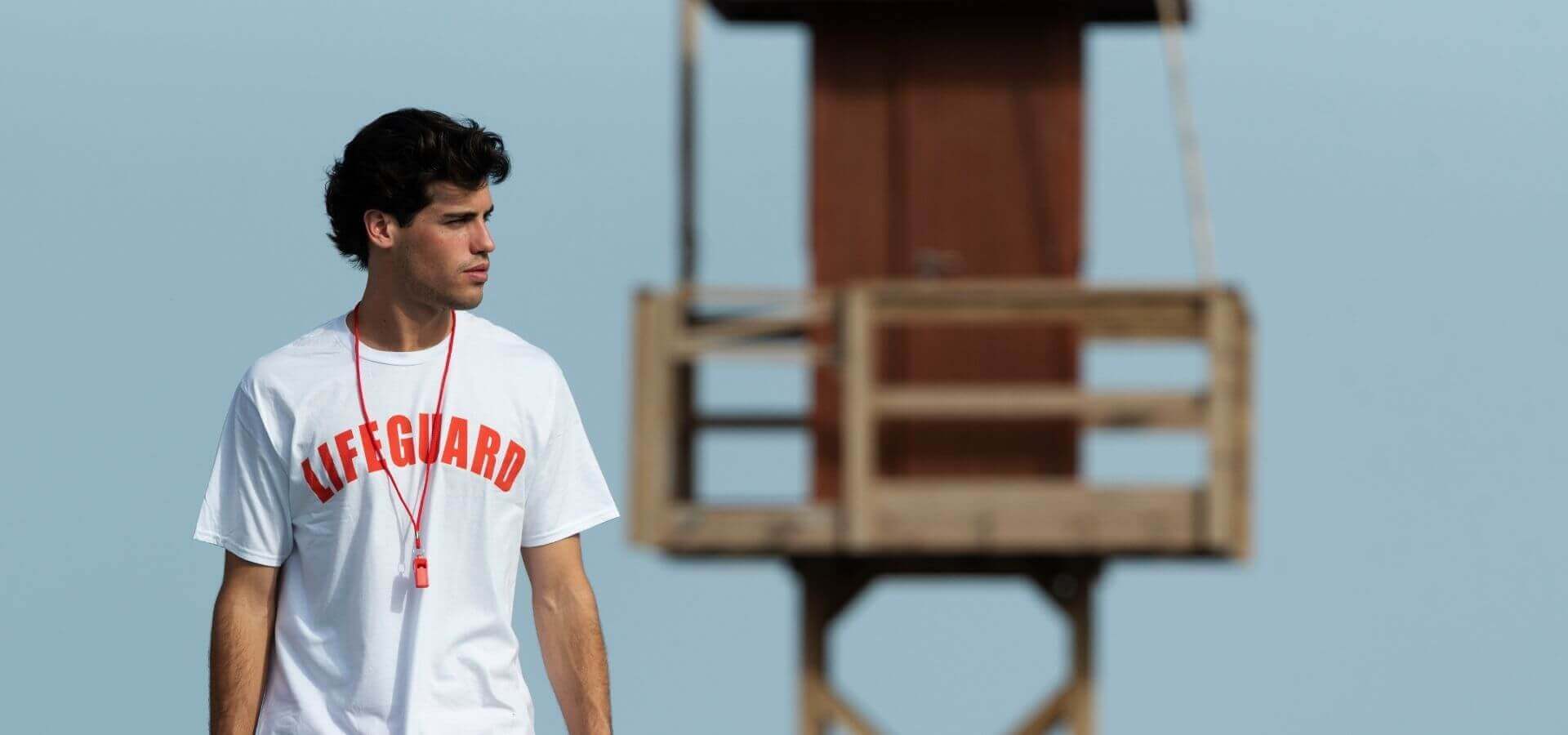
Before accepting a seasonal lifeguard job, it’s important to understand what your employment package is likely to include. In addition to your salary, many employers offer benefits such as accommodation, helping you manage your living expenses and make the most of your time in Cyprus. One of the biggest advantages of working as a seasonal lifeguard is that accommodation is often provided by the employer. This can significantly reduce your monthly costs, making it easier to save money while enjoying your summer abroad.
How much can you earn?
The exact salary depends on the employer, your previous experience, and the location of your job. Most lifeguard vacancies on Anywork Anywhere offer a competitive monthly salary, with many employers also providing benefits such as free accommodation, meals, airport transfers, or travel reimbursement.
What makes these jobs particularly attractive is the overall cost of living. For most people, rent is by far the biggest monthly expense, and in many seasonal lifeguard roles this is covered by the employer. Some employers also provide meals during working days, helping you reduce your daily spending even further.
As a result, your main expenses are usually groceries, transport, and entertainment. Cyprus is generally more affordable than many other Mediterranean holiday destinations when it comes to everyday living costs, and with accommodation included, many seasonal workers are able to enjoy their summer while still saving part of their earnings by the end of the season. The exact amount you can save will depend on your lifestyle and the benefits included in your employment package.
Free accommodation and meals
Accommodation is often included for seasonal staff working in hotels and resorts. Some employers also provide meals during working hours. These benefits can save you several hundred euros each month, especially in popular tourist areas where rental prices increase during the summer.
When comparing job offers, it’s worth checking exactly what is included. A slightly lower salary with free accommodation and meals can often leave you with more money at the end of the month than a higher-paying job without these benefits.
Working hours
Most seasonal contracts involve a six-day working week, with one day off each week. Lifeguard shifts are typically scheduled during pool or beach opening hours, often from around 9:00 AM to 6:00 PM, although exact hours vary by employer. The work can be physically demanding, particularly during the hottest months, but you’ll usually have your evenings free to relax, explore Cyprus, or spend time with your colleagues.
Life outside of work: the social side of seasonal jobs in Cyprus
The salary is an important part of a seasonal job, but many young people choose to work abroad because of the experience, the people they meet, and the opportunity to live in a new country.
Working in a hotel, resort, or water park in Cyprus means joining an international team. Employers often hire seasonal workers from countries such as Italy, Poland, France, Germany, Spain, and Sweden, creating a multicultural environment where it is easy to make new friends.
Making friends abroad
Many seasonal workers share staff accommodation and spend their days working together, which helps create a strong sense of community. After work, it is common to cook together, practise languages, share experiences, or explore the island with colleagues who are having the same adventure.
Exploring Cyprus on your days off
Cyprus is a small island, making it easy to travel around during your free time. Workers often use local buses or share car rentals to visit new places. On your days off, you can:
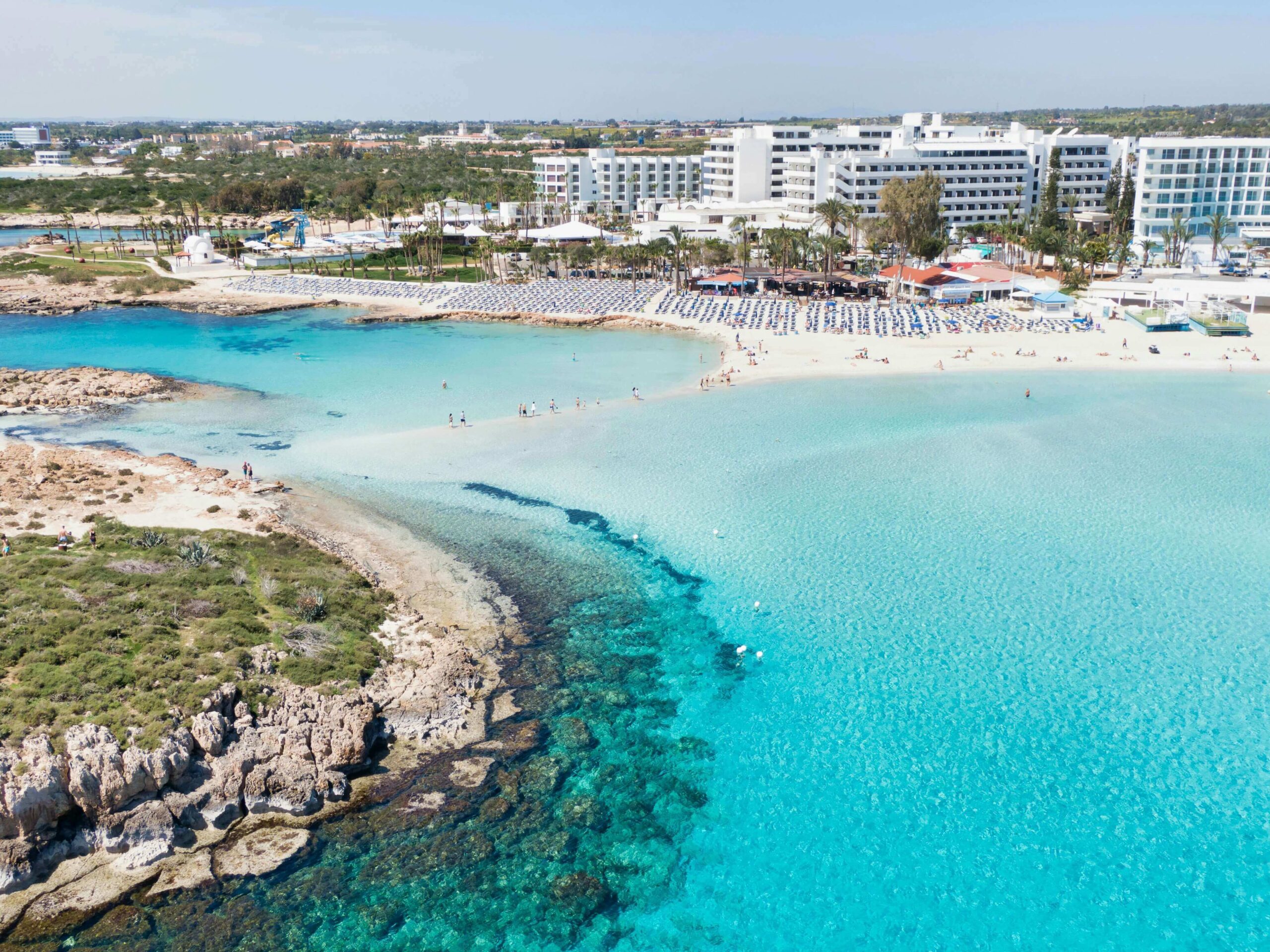
- relax at beaches such as Nissi Beach, Fig Tree Bay, or Coral Bay,
- explore nature through places like Cape Greco and its famous sea caves,
- discover local culture by visiting historic sites, mountain villages like Omodos, and trying traditional food such as halloumi, souvlaki, and seafood,
- enjoy nightlife with international events, beach activities, and music venues.
How to find a seasonal job in Cyprus
The idea of moving to a new country for the summer can feel exciting, but also a little overwhelming. You may have questions about finding a reliable employer, preparing the right documents, or knowing where to start. The good news is that with some planning, the process can be much easier than you might expect.
Using trusted job platforms, like anyworkanywhere, that specialise in international seasonal work is one of the best ways to find legitimate opportunities. Many employers in Cyprus offer structured contracts that include accommodation, meals, and support during your relocation, helping you settle in more easily.
Your 3-step action plan to get hired:
- Optimize your CV in English: Create a clear CV in English that highlights your previous experience, especially in areas such as hospitality, customer service, sports, or swimming. If you have lifeguard qualifications or first-aid certificates, place them clearly on your CV so recruiters can immediately see your relevant skills.
- Organise your documents: Before applying, prepare digital copies of important documents, including your passport or ID and any relevant certificates. Having everything ready will make the application process smoother and allow you to respond quickly when employers contact you.
- Start applying early: Browse seasonal job listings, compare different opportunities, and pay attention to what each employer offers, including salary, accommodation, working hours, and other benefits. Applying early gives you a better chance of finding the right position before the most popular roles are filled.
With the right preparation, a summer job in Cyprus can become much more than just a way to earn money. It is an opportunity to gain international work experience, build valuable skills, meet people from around the world, and spend your summer in one of the Mediterranean’s most popular destinations.
If you’re ready to start your adventure, take a look at the latest lifeguard vacancies on Anywork Anywhere. Each job listing includes key information about the role, salary, accommodation, and application process, making it easy to compare opportunities and find the one that best suits your plans. Once you’ve found a position that interests you, you can apply directly through the website and begin planning your summer in Cyprus.